


January 3, 2026
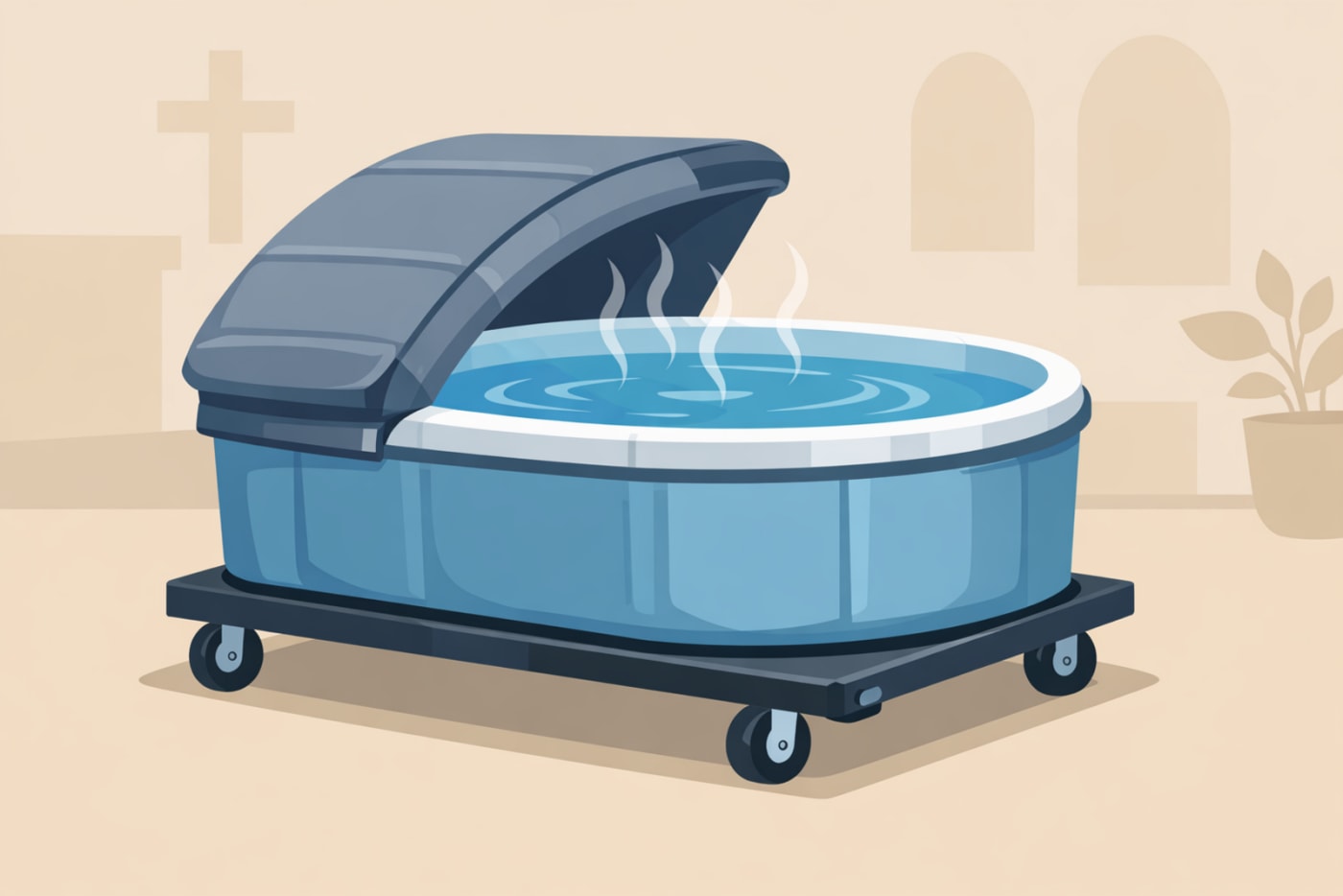
Heating a baptistry is a key element in preparing for the baptism ceremony, where technical reliability and the spiritual significance of the ritual are inseparably linked. Properly warmed water and overall safety provide the necessary comfort and relaxation for all participants. At the same time, they help preserve the dignity of this important and sacred act without any disruption. The ceremony can proceed exactly as it should.
In modern places of worship, baptistry heating systems must meet high standards for safety, energy efficiency and precise temperature control. Reliable technology means stable conditions throughout the ceremony, without interruptions or unexpected fluctuations in temperature. Nothing should ever be left to chance or improvisation.
A carefully selected baptistry heating solution represents a fusion of tradition and modern technical standards, reflecting the church community's responsible and professional approach to its congregation, as well as its long-term commitment to equipment quality and sustainability.
How to Heat a Baptistry in 5 Steps
Heating a baptistery properly involves more than just turning on a heater unit. Here's a practical step-by-step guide:
Check the Baptistry and Equipment: Inspect the baptistry, heater, thermostats, and sensors. Ensure that all components are properly installed, corrosion-free, and operational.
Determine Water Volume and Target Temperature: Measure the cold water volume and decide on the target temperature, usually around 95F, based on church practices and participant comfort.
Select the Appropriate Heating System: Choose between circulation heaters for larger baptistries or immersion heaters for smaller pools. For advanced setups, consider digital-controlled or dual-protection heaters.
Adjust Settings and Monitor: Set the thermostat to the desired temperature and check the system during the initial heating period. Circulation systems may require a few cycles to stabilize temperatures evenly.
Safety and Comfort Before the Ceremony: Confirm that the water temperature is stable, safety features are active, and the area around the baptistry is dry and safe. Once everything is in order, the baptistry pool is ready for use.
Solutions for Heating a Baptistry
Modern baptistry heating systems are designed to combine efficiency, durability, and ease of use. The most commonly used solutions include:
Specialized Baptistry Heaters: Designed for constant contact with water, made of corrosion-resistant materials, and built for long-term operation.
Built-in Thermostats and Temperature Sensors: Allow precise adjustment and maintenance of the desired temperature without the need for constant monitoring.
Energy-Efficient Systems: Reduce electricity consumption while evenly heating the entire volume of water.
How Modern Baptistry Heaters Work
Modern baptistry heating systems are engineered to provide even water heating, stable temperature, and a high level of safety during use. Depending on the baptistry design, frequency of use, and technical requirements, different types of heaters are employed, with circulation and immersion systems being the most common.
Circulation Heaters
Circulation heaters work by continuously circulating hot water through a heating unit. Water is pumped out of the baptistry, passes through the heater to be warmed, and then returns to the pool.
This system delivers:
Even heat distribution throughout the water volume
Precise temperature control via a thermostat
Stable operation and rapid attainment of the desired temperature
Circulation heaters are especially suitable for larger baptismal pools and places with frequent ceremonies, as they offer reliable performance and easy maintenance.
Immersion Heaters
Immersion heaters are placed directly in the baptistry water, allowing the heating element to come into direct contact with the water. Heat is transferred directly without the need for a pump or additional piping. They are connected via a cable directly to an outlet—use of extension cords or improvised solutions is strictly prohibited.
This system is characterized by easy installation and high sensitivity to temperature changes. Immersion heaters are often used in smaller baptistries or as a supplementary solution to maintain temperature just before the ceremony.
Other Types of Baptistry Heaters
In addition to the main types, the following variations are also commonly used:
Inline Heaters – Installed within the existing piping system and operate in combination with a circulation pump.
Storage Heaters - Heat water in an insulated tank in advance, ready for use.
Electric Heaters with Digital Control - Allow precise programming of temperature and operating time.
Dual Protection Heaters - Equipped with safety thermostats and automatic shutdown in case of failure or low water levels.
Technical Aspects of Baptistry Heating: Heater Power and Water Volume
Properly sizing a baptistry heater is crucial for efficient, safe and reliable water heating. Insufficient heater power results in long heating times, while excessive power can lead to unnecessary energy consumption and increased system load.
Basic Principle for Calculating Power
The general rule is that raising the temperature of 1 m³ of water (1,000 liters) by 2F requires approximately 1.16 kWh of energy.
It is important to consider:
Baptistry pool volume
Initial water temperature
Desired final temperature
Time available to reach the desired temperature
Recommended Heater Power Guidelines
Typical recommendations are:
500–800 liters of water: 2–3 kW heater – suitable for smaller baptistries or occasional use.
1,000–1,500 liters of water: 3–6 kW heater – most commonly used in standard churches.
2,000–3,000 liters of water: 6–9 kW heater – for larger baptistries or faster heating times.
Over 3,000 liters: 9–12 kW or higher, often combined with circulation systems and additional insulation. Professional electrical installation is usually necessary.
The Role of Circulation and Insulation
Circulation heaters are here to evenly heat throughout the entire volume of water in a church baptistry. By continuously moving water through the heating system, they prevent hot or cold spots, providing a consistent and comfortable temperature for participants.
Equally important is proper thermal insulation of the portable baptistry itself. Well-insulated walls and base help retain heat, meaning the baptismal heater doesn't need to work as hard to maintain the desired temperature. In fact, effective insulation can reduce the required heater power by up to 30%, leading to significant energy savings. Additionally, insulation extends the time the water stays warm. Together, circulation and insulation optimize efficiency and reduce operational costs.
Safety and Technical Features
Safety is a top priority when operating any baptistry heating system. Modern heaters are designed with multiple protective measures. They include operational thermostats that precisely regulate water temperature, maintaining it within the safe and comfortable range. Safety thermostats provide another layer of protection, automatically shutting off the system if temperatures exceed safe limits.
Low water level protection is one more essential feature, preventing the heater from running dry and avoiding potential damage or accidents. Furthermore, high-quality materials like stainless steel or titanium are used for heater housings, offering durability, resistance to corrosion, long-lasting performance even in humid environments and much more.
Making Every Ceremony Memorable
Heating a baptistry combines centuries-old tradition with modern technology. With the right equipment, you can be sure the water will reach a comfortable temperature. Proper heating preserves dignity, prevents discomfort and provides peace of mind for clergy and participants alike.
If you want to make every baptism ceremony safe and memorable, make sure your baptistry heating system is professionally installed and properly maintained.
Take the first step towards reliable and dignified baptistry heating today.
FAQs
What is the recommended water temperature for a baptistry?
The recommended water temperature usually ranges from 90 to 99F, depending on church practices and the type of ceremony. This range guarantees comfort and safety for participants without the risk of feeling shocked by the temperature difference.
Is a circulation heater better than an immersion heater?
Circulation heaters provide more even heat distribution and precise temperature control, especially for larger water volumes. Immersion heaters are easier to install and suitable for smaller baptistries or as a supplementary solution. The choice depends on the baptistry size and usage frequency.
Are baptistry heaters safe for direct contact with water?
Yes, modern baptistry heaters are designed for wet environments and equipped with multiple safety systems, including thermal protection, electrical insulation, and automatic shutdown in case of malfunction or low water levels.
How much electricity do they consume?
Consumption depends on heater power and operation duration. For example, a 6 kW heater running for 5 hours consumes approximately 30 kWh. Good insulation and precise temperature control significantly reduce overall energy use.
How often should the system be maintained?
Basic technical inspection is recommended at least once a year, including checking the heating element, thermostat, and electrical connections. Regular maintenance prolongs the system's life and ensures reliable operation.