


February 19, 2026
Baptism remains one of the most meaningful ceremonies in Christianity, and for many congregations, having a dedicated baptistry is an important part of facilitating that rite with reverence and care.
Whether your church is planning a permanent installation or considering a portable solution, understanding baptistry costs helps you budget wisely and honor both spiritual and financial stewardship
We will walk you through baptistry pricing comprehensively, from base unit costs to installation, accessories and long-term value.
Key Cost Components of a Baptistry
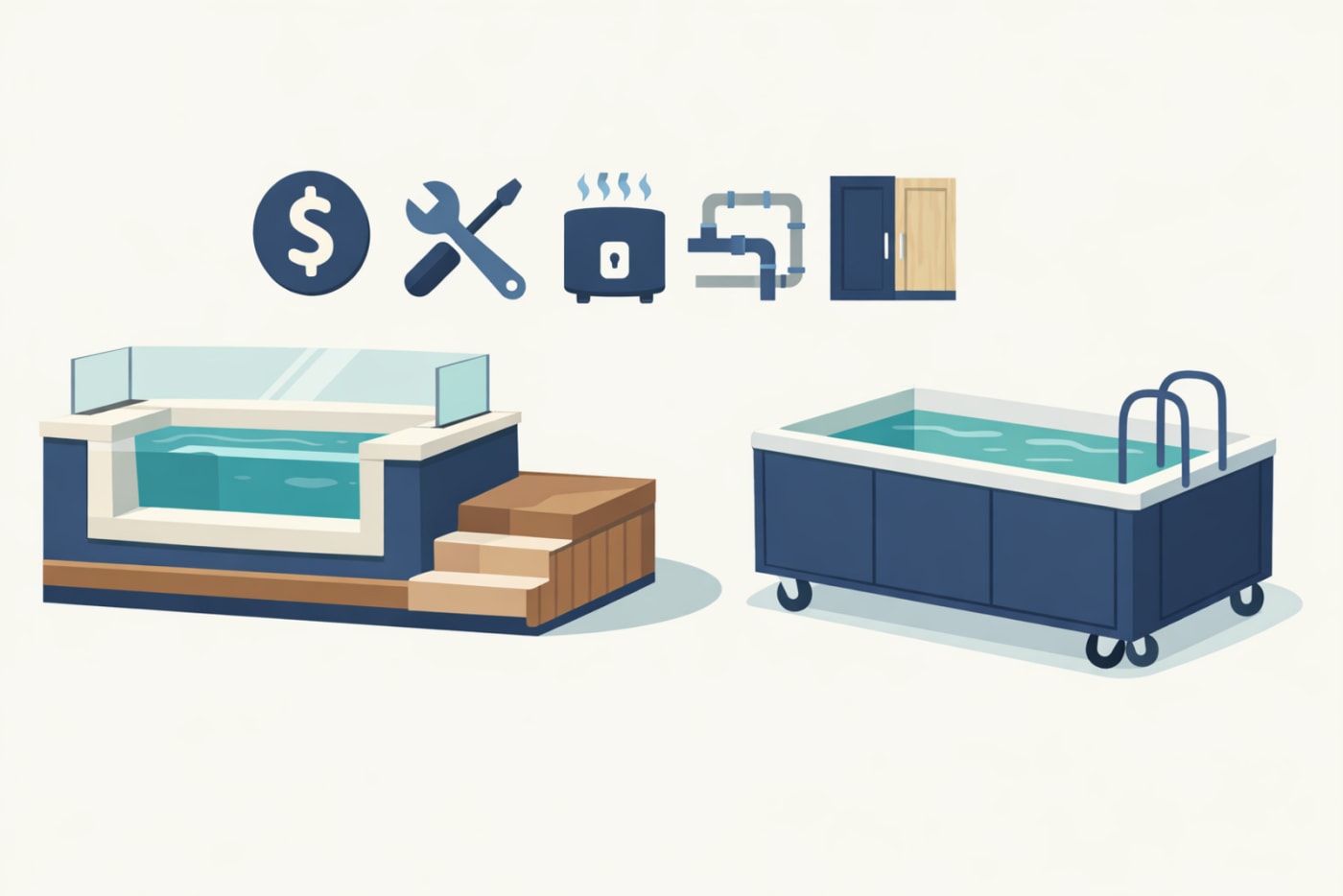
When evaluating how much a baptistry costs, it's helpful to break the total into specific categories. Each element influences the final investment required.
Base Unit Price: Permanent and Portable Options
At the heart of any baptistry project is the cost of the unit itself.
Fiberglass Unlimited Baptistries
We offer a full line of permanent fiberglass church baptistries, including models like the Baptistry 7A, 8A, 9A, 10A, 11A, 11B, 12B, 13A, and 14L. These units are molded as one-piece fiberglass structures with reinforced walls and textured steps for safety, designed for long-term use in a sanctuary or worship area. Prices vary depending on size, optional features and finishes, so our team provides personalized quotes to ensure each church receives the right solution for their needs.
Average Pricing from Our Team
Based on our experience and the products we supply, permanent fiberglass baptistries typically range from $2,800 to $5,000+. Single-entry models without windows generally start around $2,800, while versions with windows or double entry can reach $3,600–$4,700, depending on configuration.
Portable Baptistry Costs
We also offer portable baptismal solutions (including the Portable Baptistry 6P, 6PXL, and EZ-P models) which are lighter, movable, and ideal for churches that host baptisms in multiple locations or don't have a dedicated baptismal area.
Our average prices for portable baptistries are:
Lower-end models, like the EZ-P: approximately $2,800+.
Mid-range models with cabinets, steps, or heating options: around $3,500 to $3,800.
Premium portable units with additional features may cost more depending on the selected options.
Every quote is made to your church's specific needs, so these numbers reflect our pricing, but the best way to get an accurate estimate is to contact our team directly.
Installation and Site-Work Costs
Once a baptistry unit is selected, installation becomes the next major expense, especially for permanent baptistries.
Permanent installations often require:
Framing, subfloor support, and waterproofing
Drain and fill plumbing connections
Electrical work for circulation pumps or heaters
Finish work (such as tile, wood trim, or protective surfaces around the baptistry)
Depending on your location and the complexity of your worship space, installation labor and materials can add several thousand dollars to the project. Therefore, local contractor rates and any structural modifications your church building requires are all variables that affect costs.
In contrast, portable baptistries are designed for minimal installation. Most units simply need a level, stable surface and access to a water source. Permanent plumbing may not be required, making them a more affordable option when construction budgets are limited.
Plumbing, Heating & Filtration Costs
Whether permanent or portable, a baptistry needs safe and comfortable water management. Plumbing systems include supply lines, valves, and drains. Churches often invest in:
Dedicated water supply connections
Durable drains that link to waste lines or holding tanks
Filtration and circulation pumps to maintain water quality if you expect frequent use
Energy efficient heaters are another consideration for baptism pool. Units intended for full immersion benefit from controlled warm water:
Portable heaters may be built-in or added separately.
More advanced baptistry heater with digital controls and safety features typically carry a higher price.
Circulation heaters are another possibility, along immersion heaters
A modest plumbing and heating package could add several hundred to a couple thousand dollars to your budget depending on features and labor involved.
Aesthetics and Accessories
The visual and functional extras you choose also influence the cost. Common add-ons include:
Cabinetry or wood finishes that match sanctuary decor
Steps and handrails for safe entry and exit
Custom inscriptions or decorative fronts
Wheel kits and storage covers for portable models
Slip-resistant surfaces or child steps integrated into the design
These upgrades enhance usability and safety as well as aligning the baptismal area with the overall worship environment. Many churches choose baptistry features that match the style and craftsmanship of other elements in the sanctuary, such as steeples and crosses. That creates a unified and harmonious look.
Comparing Permanent vs. Portable Baptistries
When evaluating cost, clarity around the long-term use and placement helps determine the right choice.
Feature / Cost Category | Permanent Baptistry | Portable Baptistry |
Base Unit Price | Medium – High | Lower – Medium |
Installation Expense | Higher | Minimal |
Plumbing & Heating | Potentially High | Medium – High |
Flexibility | Fixed Location | Movable |
Lifespan | Very Long | Medium – Long |
There is no solution that is perfect for everyone. Decisions should be made individually. A properly installed permanent baptistry is a long-lasting fixture that anchors your worship space for decades. A portable baptistry is generally less expensive upfront and provides flexibility for churches without a fixed baptistry room or those hosting events outside the sanctuary, but it is also not suitable for every church.
Why Prices Vary: Key Factors to Understand
Even similar baptistry units can differ significantly in price. A few important predictors include:
Size and Capacity: Larger units hold more water and take more material and labor to build or install.
Material Quality: High-grade fiberglass with reinforced gelcoat finishes is more robust and durable than thinner or basic materials. Units designed for frequent use or outdoor venues require enhanced construction.
Customization: Custom colors, inscriptions, cabinet finishes, and decorative elements add to the base price.
Accessibility Features: Steps, non-slip surfaces, handrails, and child-access steps may not be required for every installation, but they are critical for safety and comfort, and many churches choose them.
Local Labor Rates: Installation costs can vary widely based on your region's labor market and the availability of contractors familiar with baptistry work.
Scenarios Churches Might Encounter
Each scenario involves thoughtful planning around budget and worship needs.
Scenario A: Small Church Looking for Portability
A congregation without a dedicated baptistry room may choose a portable unit such as the 6P or EZ-P model. These rotate easily for use in fellowship halls, outdoor baptisms or rented spaces.
Scenario B: Mid-Sized Church with Limited Construction Budget
A portable baptistry equipped with optional heaters and steps may balance functionality with cost, avoiding expensive plumbing yet providing comfort and safety.
Scenario C: Permanent Installation in a Sanctuary
For churches building a baptistry into their worship space, a fiberglass unit offers durability and low maintenance.
Financing and Budget Planning
Many churches choose to spread baptistry costs over time rather than paying upfront. Fiberglass Unlimited offers financing options that allow congregations to spread payments while securing the baptistry they need without delaying ministry plans.
Budgeting tips include:
Break down all the expected costs
Prioritizing must-have features before accessories
Exploring eligible fundraising activities
These steps help congregations make fiscally responsible choices while honoring the importance of the baptismal rite.
Planning Your Baptistry Investment
A baptistry represents both a spiritual investment and a physical asset for your congregation. While costs vary, understanding the components helps churches budget wisely and choose a solution that aligns with their worship practices and financial plans.
Whether you opt for a portable model or a permanent fiberglass installation from Fiberglass Unlimited, we will prioritize durability, safety and meaningful design so it becomes a valued part of your church's community life for years to come.
For help understanding baptistry pricing or planning your next installation, contact Fiberglass Unlimited today and let us help you.
Frequently Asked Questions
How often should a church expect to replace or upgrade a baptistry over time?
Most churches do not replace a baptistry frequently, especially when the unit is built from durable materials like fiberglass. A well-made baptistry can remain functional for decades with basic care. Upgrades usually happen due to renovations or changes in how the space is used rather than product failure.
Does the frequency of baptisms affect the type of baptistry a church should budget for?
Yes, churches that perform baptisms regularly benefit from more permanent or higher-capacity solutions. Frequent use places greater demands on structures, steps and water systems. In these cases, investing more upfront often reduces maintenance and operational disruptions.
Are there cost differences between baptistries designed for adults versus youth or children?
Adult baptistries generally cost more due to water capacity and structural reinforcement. Smaller units designed primarily for youth or children require fewer materials and less space. However, many churches prefer adult-sized baptistries to avoid needing multiple units over time.
How does climate or regional weather impact baptistry material selection and cost?
In regions with high humidity or temperature fluctuations, material durability becomes more important. Fiberglass performs well in varied climates because it resists moisture, cracking and corrosion. This can reduce long-term repair and replacement expenses.
Are there cost advantages to ordering a baptistry during a new church construction phase?
Ordering baptismal pool during construction often reduces installation and modification costs. Plumbing, electrical and structural supports can be planned from the start instead of when retrofitted later. This approach leads to cleaner integration and lower labor expenses.